
Sustainable and Green Loan Options for Eco-Friendly Home Renovations and Upgrades
Summary
Let’s be honest. You’re dreaming of a kitchen powered by the sun, or a bathroom that doesn’t guzzle water, but the upfront cost feels… daunting. You’re not alone. The good news? The financial world is finally catching up to our […]
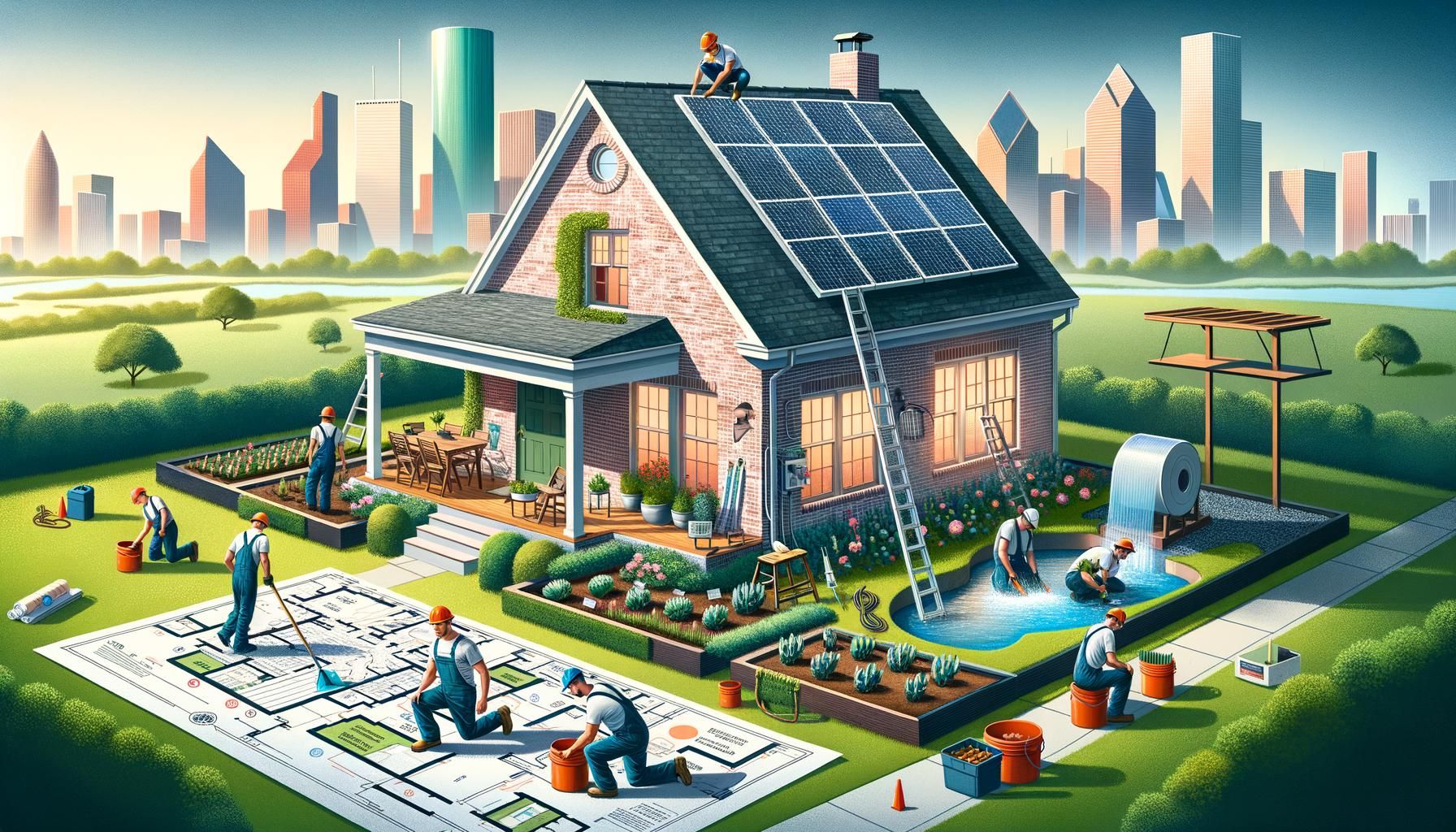
Let’s be honest. You’re dreaming of a kitchen powered by the sun, or a bathroom that doesn’t guzzle water, but the upfront cost feels… daunting. You’re not alone. The good news? The financial world is finally catching up to our green ambitions. There’s a growing toolkit of sustainable loan options designed specifically to make eco-friendly home upgrades not just possible, but financially savvy.
Think of it this way: you’re not just borrowing money; you’re investing in a lower utility bill, a more resilient home, and frankly, a better future. Let’s dive into how you can finance that future.
Why Go Green with Your Financing?
Sure, you could use a standard personal loan or dig into a HELOC for any reno. But green loans are different. They’re often structured with the unique benefits of energy efficiency in mind. Lenders know that a home with solar panels or top-tier insulation is a safer bet—it costs less to run, which means you have more cash flow to pay them back. This can translate into lower interest rates, longer repayment terms, or even special rebates.
It’s a win-win-win. You get a comfier home, the planet gets a break, and your wallet feels the relief over time. The key is matching the right project with the right financial product.
Your Menu of Green Financing Options
1. Energy-Efficient Mortgages (EEMs)
An EEM is like a power-up for your home loan. It lets you roll the cost of energy upgrades right into your primary mortgage when you’re buying or refinancing. The kicker? The lender can qualify you for a larger loan amount because they factor in your expected utility savings into your debt-to-income ratio.
In other words, they see that your total monthly outlay (mortgage + lower energy bills) will be similar to or less than a standard mortgage on a less efficient home. It’s a brilliant way to tackle big-ticket items like HVAC replacement or adding insulation without a separate loan.
2. FHA and VA Energy-Efficient Mortgages
These are government-backed versions of the EEM. The FHA and VA programs have specific guidelines, but they offer fantastic terms. The VA’s EEM, for instance, allows you to add up to $6,000 in energy improvements on top of your home loan with no down payment. They’re a fantastic, underutilized resource for eligible borrowers.
3. Property Assessed Clean Energy (PACE) Financing
PACE is a different beast altogether. It’s not a traditional loan; it’s an assessment that’s attached to your property tax bill. The big advantage? The repayment obligation stays with the house. If you sell, the next owner takes over the payments (and reaps the benefits of the upgrades).
PACE can cover a wide range of projects—solar, water conservation, even hurricane-resistant windows in some areas. But, a word of caution: do your homework. It’s crucial to understand how the PACE lien interacts with your mortgage and the sale process in your state.
4. Green Home Improvement Loans & HELOCs
Many credit unions and forward-thinking banks now offer unsecured personal loans branded specifically for green projects. The rates are often competitive. And a Home Equity Line of Credit (HELOC) remains a flexible classic—using your home’s equity to fund upgrades, with the potential for tax-deductible interest (consult a tax pro, of course).
The beauty here is speed and simplicity. You know, for those projects you want to get done before next season.
Choosing Your Path: A Quick-Reference Guide
| Loan Type | Best For… | Key Consideration |
| Energy-Efficient Mortgage (EEM) | Major upgrades during a home purchase or refi. | Requires a home energy assessment. |
| FHA/VA EEM | Eligible buyers/owners using government-backed loans. | Strict project and cost limits apply. |
| PACE Financing | Large projects where you want long-term, transferable financing. | Lien stays with property; not available everywhere. |
| Green Home Improvement Loan | Specific, defined projects (e.g., a solar water heater). | Often unsecured; faster approval. |
| HELOC | Ongoing or multi-phase renovation projects. | Uses home equity as collateral; variable rates. |
Before You Apply: Your Pre-Reno Checklist
Don’t just jump in. A little prep saves headaches—and money.
- Get an Energy Audit. Honestly, this is step zero. A professional audit (often called a Home Energy Assessment) will tell you exactly where your home is leaking money. It’s your roadmap and, for many loan programs, a required document.
- Prioritize Projects with ROI. Not all green upgrades are equal. Sealing air leaks and adding attic insulation often pay back the fastest. Start with the boring stuff—the “building envelope”—before the sexy solar panels. The savings can help fund the next project.
- Shop Lenders & Compare. Ask direct questions: “Do you offer dedicated green loan products?” Compare not just APRs, but also fees, terms, and any required certifications for contractors.
- Bundle Incentives. Remember, your loan might just be one piece of the puzzle. Stack it with federal tax credits (like those from the Inflation Reduction Act), state rebates, and utility company incentives. This can dramatically lower your net cost.
The Bigger Picture: It’s More Than a Loan
At the end of the day, securing a green loan is a statement. It’s a vote for a market that values long-term sustainability over short-term cost. It connects your personal financial health directly to the health of your living space. Every payment isn’t just reducing a debt; it’s cementing a lower carbon footprint and a buffer against rising energy costs.
The landscape is evolving, with new products popping up all the time. The initial effort to navigate these options—well, it pays dividends for decades. You’re not just renovating a house. You’re retrofitting a legacy.