
Tax Deductions and Record-Keeping for Adaptive Technology and Accessibility Expenses
Summary
Let’s be honest—navigating the tax code can feel like trying to read a map in the dark. But if you, a dependent, or your business incurs costs for adaptive technology or accessibility modifications, there’s a good chance you can turn […]
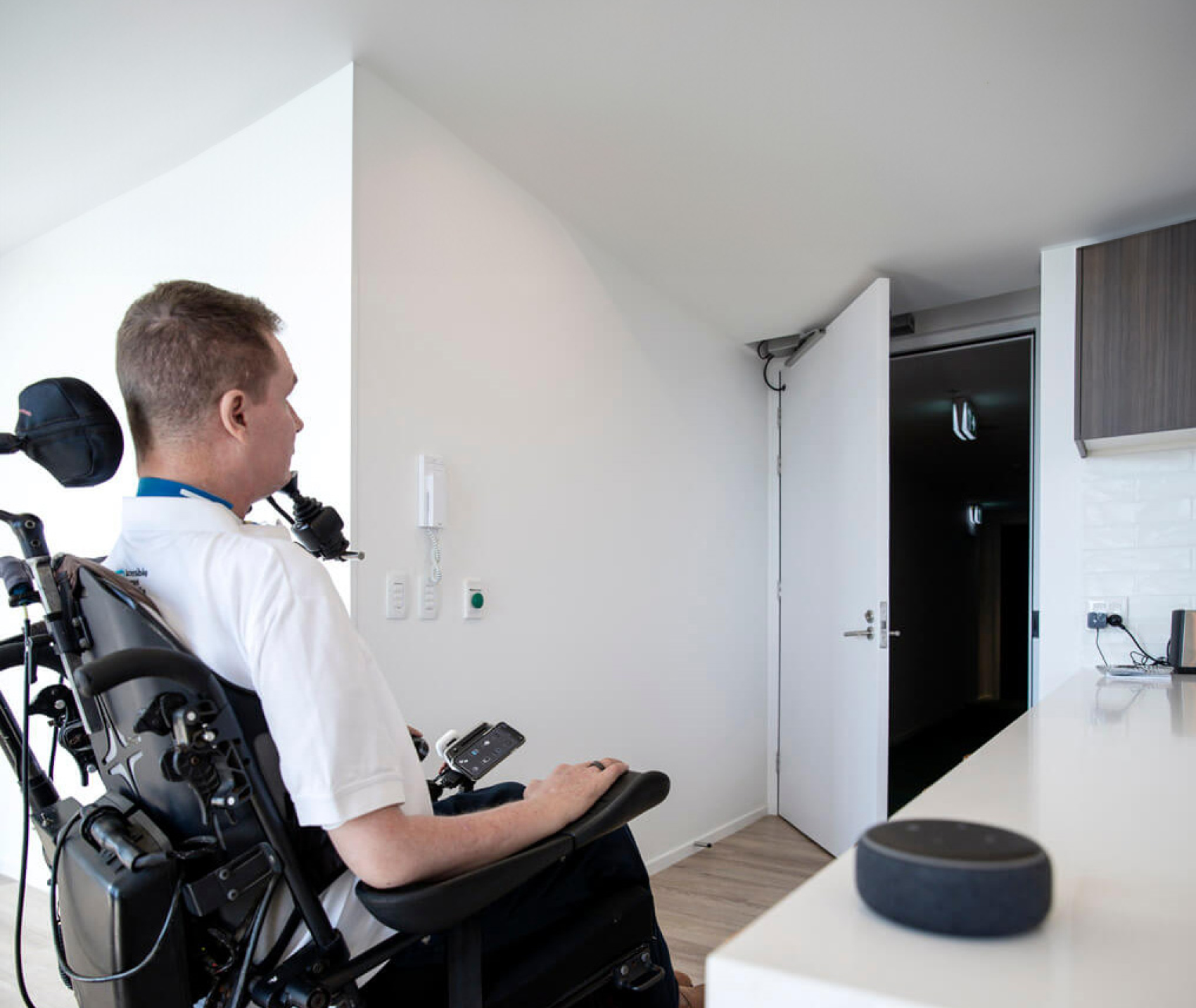
Let’s be honest—navigating the tax code can feel like trying to read a map in the dark. But if you, a dependent, or your business incurs costs for adaptive technology or accessibility modifications, there’s a good chance you can turn those expenses into meaningful tax savings. It’s not just about a refund; it’s about recognizing the real, often substantial, costs of access.
Here’s the deal: the IRS allows for deductions and credits under several umbrellas, primarily the Medical Expense Deduction and the Disabled Access Credit for businesses. The trick? Knowing what qualifies and, more importantly, keeping the kind of records that make an auditor nod in quiet respect. Let’s dive in.
What Exactly Qualifies as a Deductible Expense?
Think of adaptive technology and accessibility costs as tools that bridge a gap. For the IRS to see it that way, the expense generally must be for the diagnosis, cure, mitigation, or treatment of a physical or mental disability. It doesn’t necessarily have to be prescribed, but it must be primarily for medical care.
Common Adaptive Technology Deductions
This list isn’t exhaustive, but it gives you the flavor. You’re looking at items like:
- Hardware & Software: Screen readers (like JAWS or NVDA), voice recognition software, braille displays and printers, specialized keyboards or mice, and magnification devices.
- Learning & Communication Aids: Devices for speech generating, electronic readers, or even certain apps specifically designed for managing a disability.
- Home Modifications: This is a big one. Installing ramps, widening doorways, modifying bathrooms with grab bars or roll-in showers, or lowering kitchen cabinets.
- Vehicle Modifications: Hand controls, wheelchair lifts, or pedal extensions.
- Service Animals: The costs of buying, training, and maintaining a guide dog or other service animal—food, vet care, grooming—all count.
One nuance people often miss? If a home modification adds to the value of your home, you must subtract that increase from the cost before deducting. Installing a basic ramp? Likely fully deductible. A lavish, architect-designed elevator? You’ll need to do the math on the home’s value bump.
The Record-Keeping Marathon (It’s a Sprint, Really)
Okay, this is the crucial part. Claiming a deduction is one thing; proving it is another. Your records are your story. And you want that story to be boringly, impeccably clear.
The Golden Rule: Document Everything
Start a system—a folder, a digital drive, an app. Whatever works. For every expense, you need to capture:
- What it was: The specific item or service. “Braille embosser” is better than “computer equipment.”
- Why it was needed: This is key. A simple note linking it to a medical condition or disability. “Purchased for managing low vision due to macular degeneration.”
- When you got it: The date of purchase or service.
- Who you paid: The vendor or provider’s name.
- How much it cost: The total amount, including sales tax, shipping, installation.
- Proof of payment: The receipt, invoice, or cancelled check. Bank/credit card statements help too.
A Quick Reference Table: What to Keep
| Expense Type | Key Records to Keep |
| Software/Hardware | Receipt, product description, maybe a note from a doctor or rehab specialist recommending its use. |
| Home Modifications | Detailed contractor invoices, before/after photos, permits, and an appraisal if it’s a major change to address the value issue. |
| Service Animal | Proof of purchase/training from a recognized organization, vet bills, food receipts. Documentation of the animal’s training for specific tasks. |
| Vehicle Modifications | Itemized installer bill, manufacturer’s info on the device, prescription or letter of medical necessity. |
Honestly, the best time to document is the moment you spend. Trying to reconstruct it all in April? A recipe for headaches and missed opportunities.
For Businesses: The Disabled Access Credit
This is a different beast—and a powerful one. Small businesses with revenues under $1 million or 30 or fewer full-time employees can claim a tax credit for making their premises accessible. A credit is a dollar-for-dollar reduction in your tax bill, which is way better than a deduction.
It covers things like removing barriers, providing accessible formats, or buying adaptive equipment for employees or customers. The maximum credit is $5,000 per year. Your record-keeping needs to be just as meticulous, but the payoff can be immediate and substantial.
Avoiding Common Pitfalls
A few quick things that trip people up. First, you can only deduct medical expenses that exceed 7.5% of your adjusted gross income. So, you need to tally all your qualifying medical costs to see if you clear that hurdle.
Second, don’t assume. That ergonomic chair you bought because your back hurts? Unless it’s specifically prescribed to treat a diagnosed medical condition, it probably doesn’t qualify. The line is “general health” vs. “treatment.” When in doubt, consult a tax pro who gets this niche.
And finally—this is a big one—mix-ups with reimbursements. If you get reimbursed by insurance or a flexible spending account (FSA), you can’t double-dip and deduct it too. Your records need to show the net cost you actually bore.
Wrapping It Up: Your Financial Accessibility Tool
In the end, treating these expenses as legitimate tax deductions is more than just savvy finance. It’s an acknowledgment. It says that the cost of access is a real part of life for millions, and the system—clunky as it is—offers a mechanism to offset that burden.
The paperwork might feel like a chore. But think of it as building your own case, piece by piece, receipt by receipt. You’re not just filling a shoebox; you’re creating a clear, undeniable narrative of necessity. And that narrative can hold real power, both for your wallet and for your peace of mind. Start that folder today. You’ll thank yourself next April.